EN
EN SP
SP FR
FR
- Home
- About Us
- Products
- Service
- Project
- News
- Contact Us
Pulished on Aug. 21, 2023
This article will assess the security vulnerabilities of the 358 Security Fence and discuss how to identify these weaknesses and enhance security. The anti-climb fence is a fence system commonly used in places with high security requirements, and its vulnerability assessment is crucial to ensure the effectiveness of the fence.
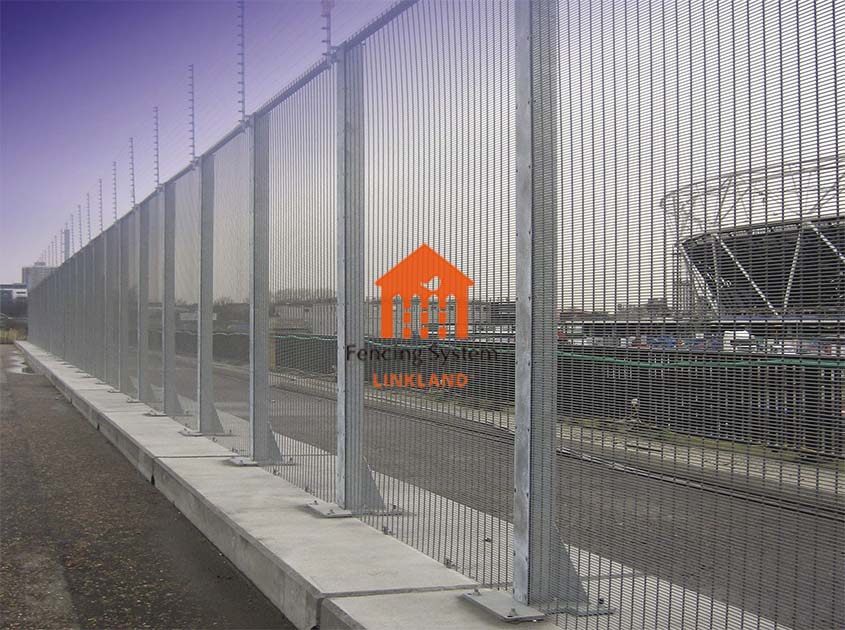
Vulnerability to Physical Attacks
358 Security fences may have loopholes for physical attacks. This includes attackers using tools or brute force to attempt to break down the fence or overstep it. The assessment should pay attention to the durability and vandal resistance of the fencing materials, the strength of the connections and fixings, and whether the overall structure of the fencing system can withstand physical attack.
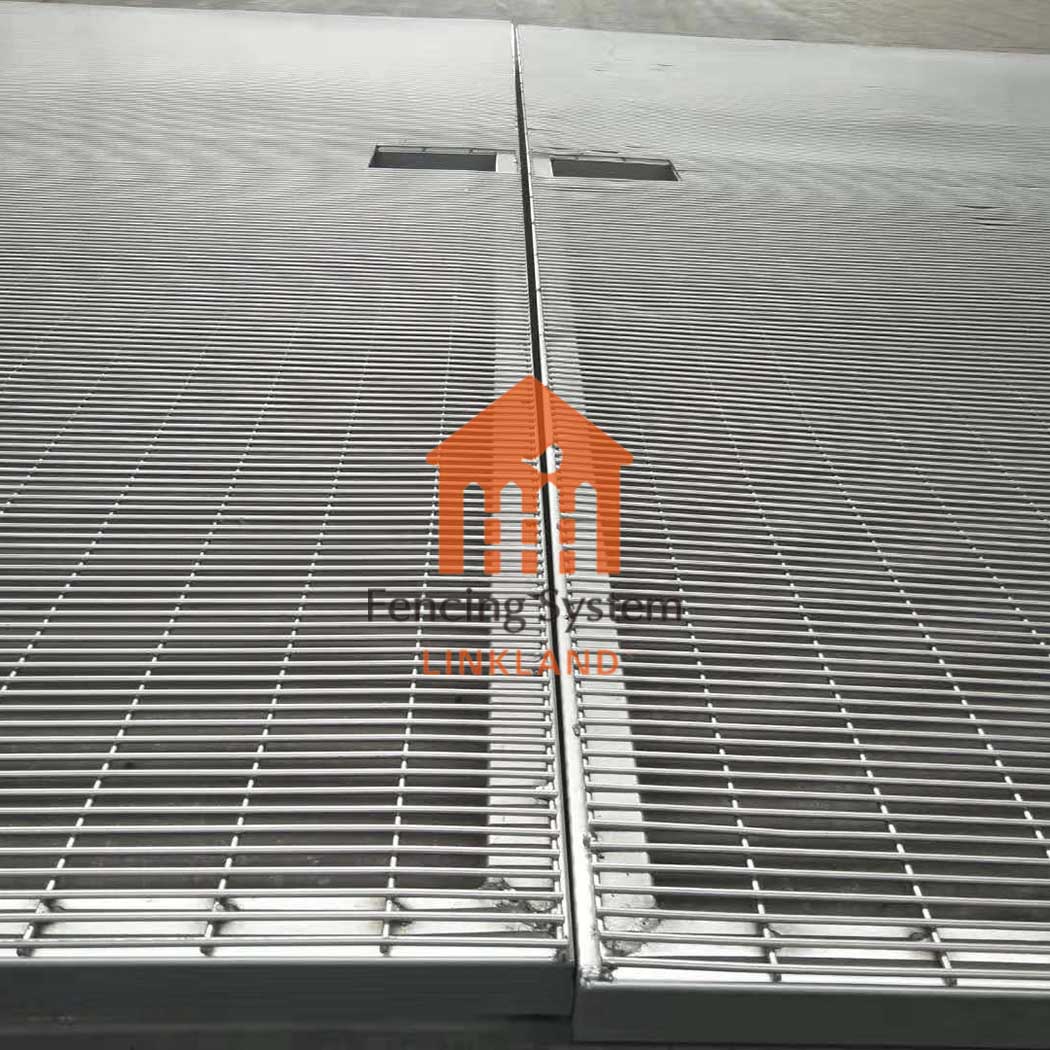
Climbing and Traversing Vulnerabilities
358 Security fences may have loopholes for climbing and traversing. Attackers may attempt to climb the fence or cross through gaps in the fence. The assessment should focus on the height of the fence, the size of the gaps, and protective measures above the fence, such as slopes, hedgehog lines and anti-climbing boards, etc., to prevent climbing and crossing.
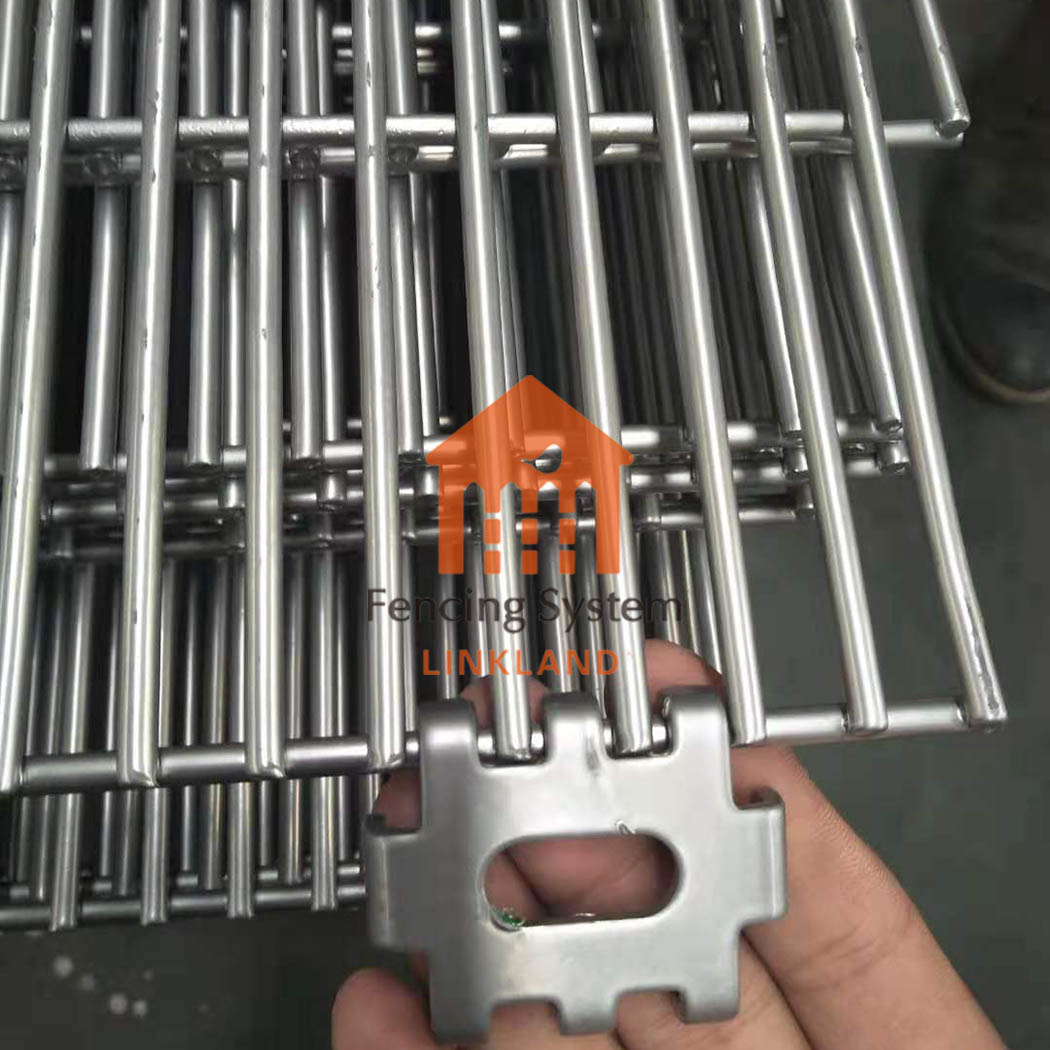
Vulnerabilities in Monitoring and Intrusion Detection
There may be loopholes in the monitoring and intrusion detection systems of 358 security fences. The evaluation should focus on the location and field of view coverage of the surveillance cameras, the accuracy and sensitivity of the intrusion detection sensors, and the response speed and reliability of the alarm system. Ensuring the effectiveness of monitoring and intrusion detection systems can improve the security of your fence.
By evaluating 358 security fences for physical attack vulnerabilities, climbing and traversal vulnerabilities, and monitoring and intrusion detection vulnerabilities, we can identify and address weaknesses in the fence system, thereby enhancing security. This comprehensive vulnerability assessment can help ensure the effectiveness of the 358 security fence in places with high security requirements and provide reliable protection measures. Enhanced security is a key element in ensuring that fencing systems work effectively.
How to Choose Farm Fence for Cattle and Horses: Wire, Height and Design Guide
Pulished on Sep. 23, 2026
How Is Chain Link Fence Made? Manufacturing Process and Components
Pulished on Sep. 18, 2026
358 Security Fence vs Chain Link Fence: Security, Cost and Application Comparison
Pulished on Sep. 15, 2026
Why Choose Welded Wire Fence for Security and Protection?
Pulished on Sep. 07, 2026
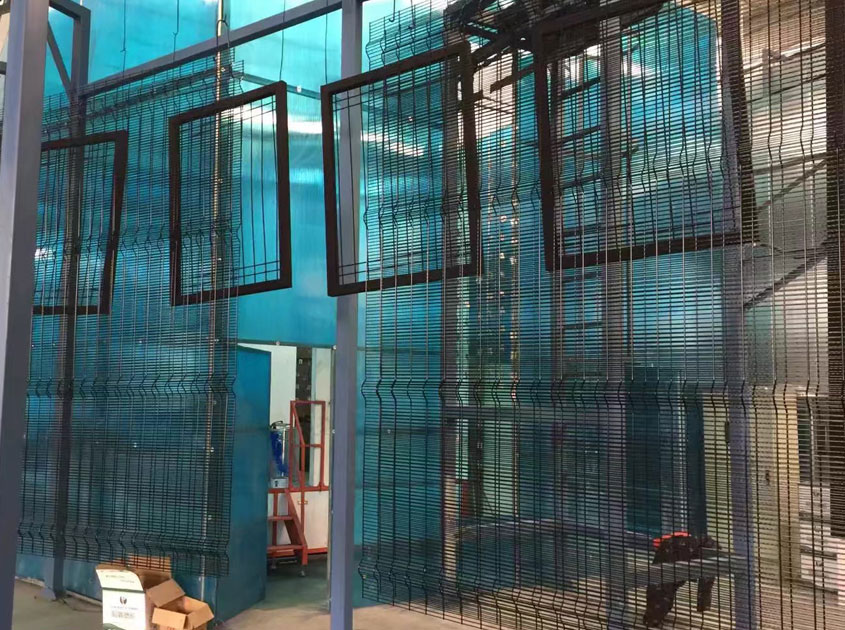
358 Security Fence Specifications and Applications Guide
Pulished on Aug. 27, 2026
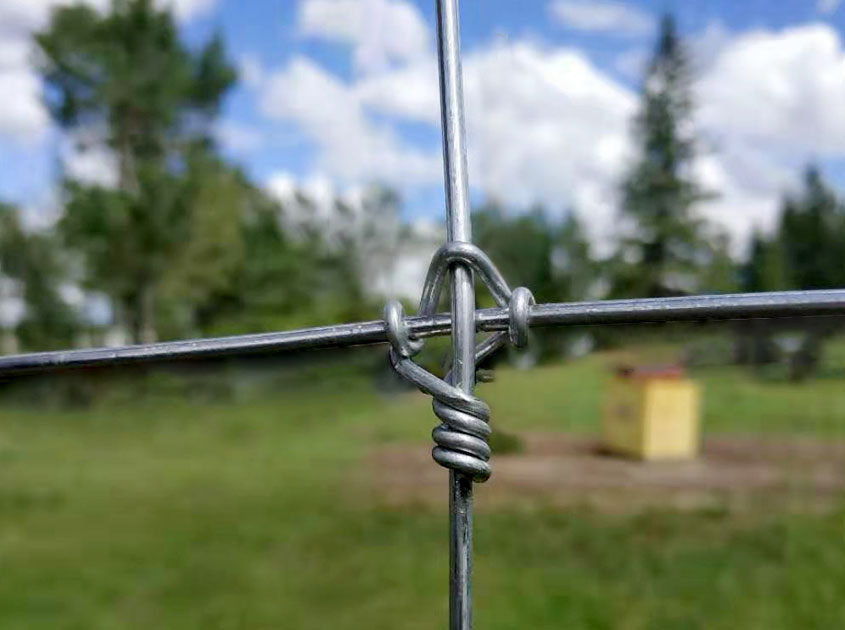
What Is Farm Fence and What Are the Main Types?
Pulished on Aug. 26, 2026
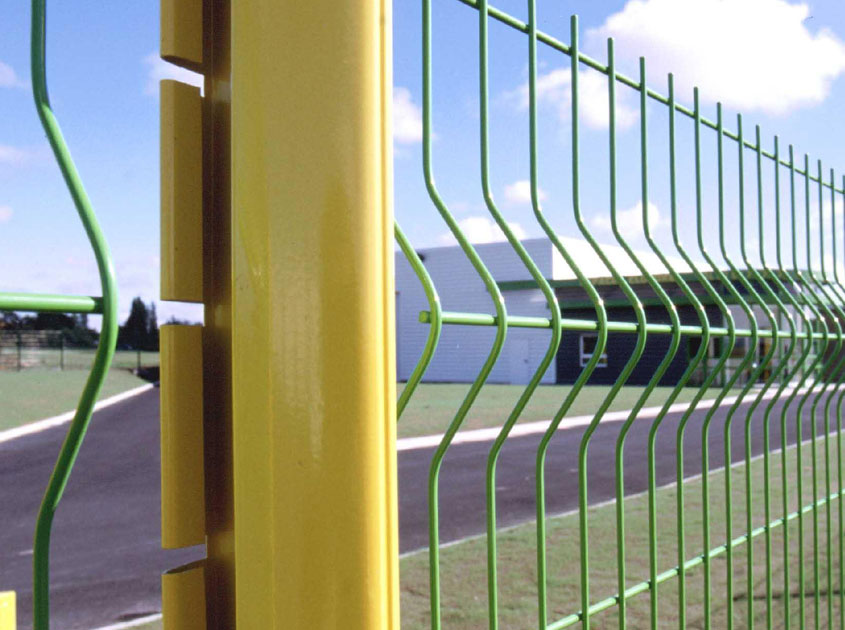
Welded Wire Fence Types, Sizes and Applications Guide
Pulished on Aug. 20, 2026
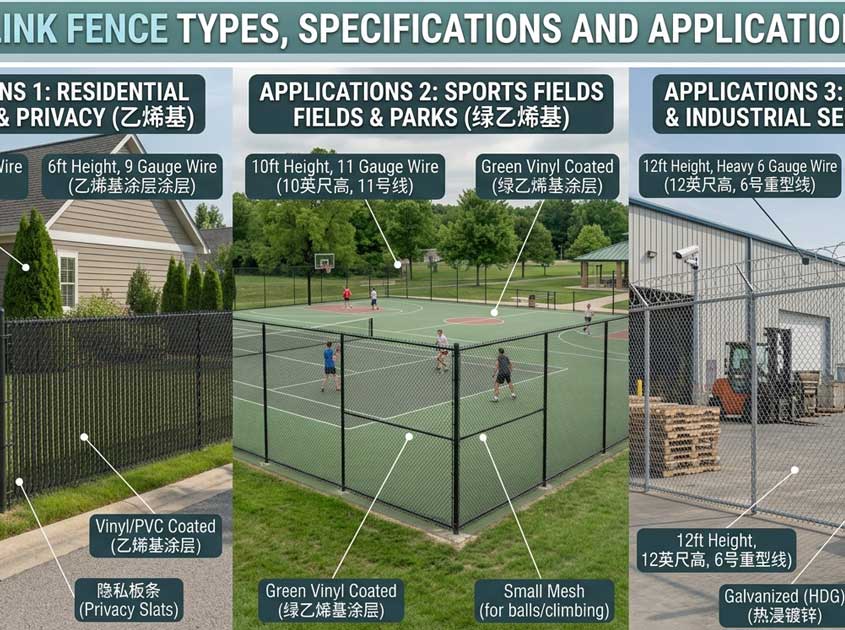
Chain Link Fence Types, Specifications and Applications Guide
Pulished on Aug. 12, 2026
How to Choose Farm Fence for Cattle and Horses: Wire, Height and Design Guide
Pulished on Sep. 23, 2026
How Is Chain Link Fence Made? Manufacturing Process and Components
Pulished on Sep. 18, 2026
358 Security Fence vs Chain Link Fence: Security, Cost and Application Comparison
Pulished on Sep. 15, 2026
Why Choose Welded Wire Fence for Security and Protection?
Pulished on Sep. 07, 2026
358 Security Fence Specifications and Applications Guide
Pulished on Aug. 27, 2026
What Is Farm Fence and What Are the Main Types?
Pulished on Aug. 26, 2026
Welded Wire Fence Types, Sizes and Applications Guide
Pulished on Aug. 20, 2026
Chain Link Fence Types, Specifications and Applications Guide
Pulished on Aug. 12, 2026